

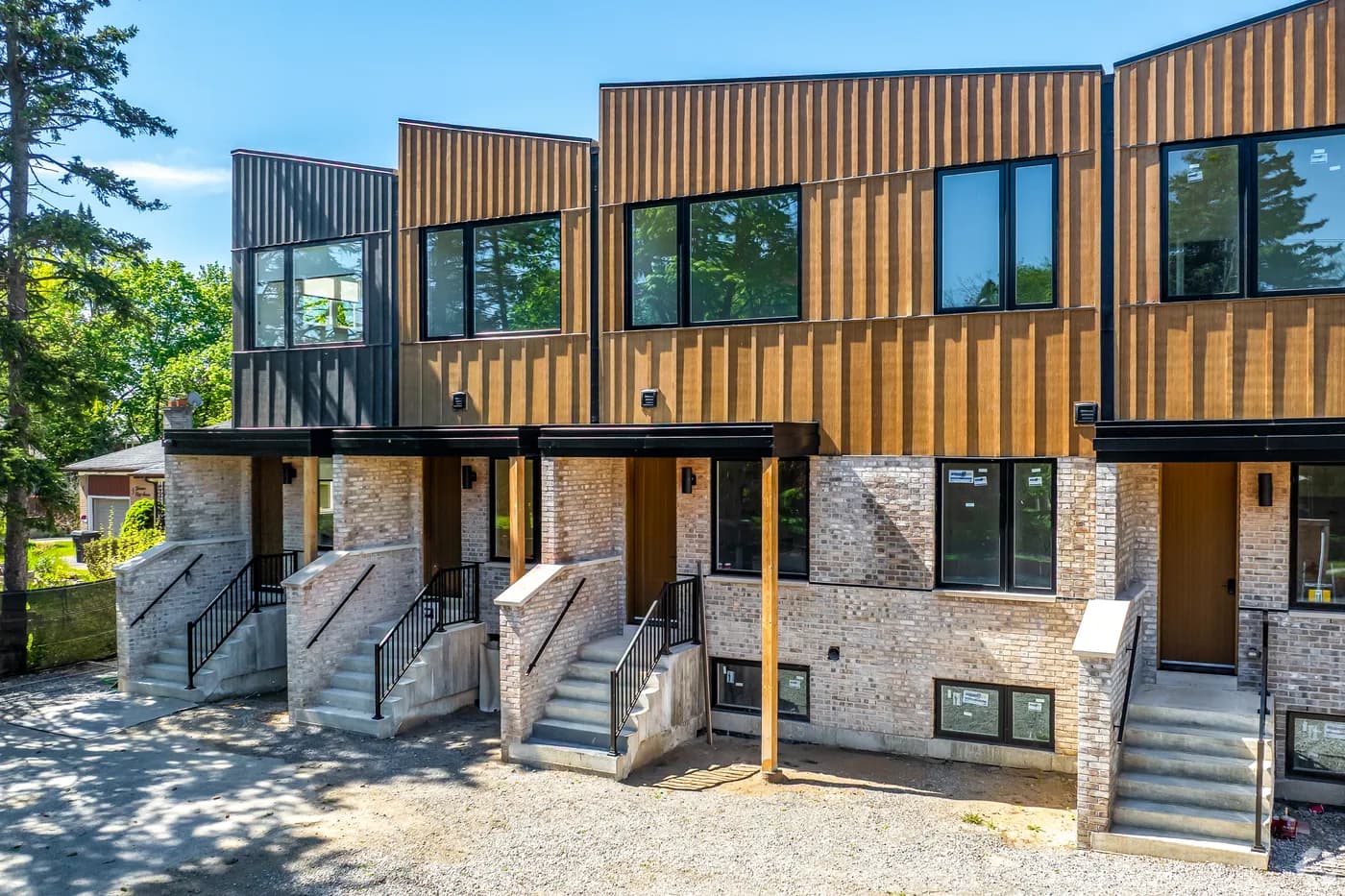
Starting first year at U of T Scarborough is exciting, but finding a place to live can bring a lot of questions. Students and parents or guardians are often trying to balance safety, budget, commute time, independence, and comfort all at once. Choosing off-campus housing is not just about finding an available room or apartment near class. It's about choosing a living setup that supports daily student life.
Before signing a lease, it helps to slow down and look at the full picture. Location, apartment safety, transit access, building condition, and lease clarity all matter. The goal is to find a place where the student can build a routine, get to campus comfortably, and feel prepared for the responsibilities of living away from home.
How First-Year Students Can Choose Safe Off-Campus Housing
Safe off-campus housing is not only about the apartment unit itself. The building, surrounding area, commute to campus, lease terms, emergency readiness, and day-to-day convenience all play a role. For first-year students, the best choice is usually the one that feels manageable in real life, not just the one that looks good in photos.
A simple way to compare options is to think about what the space needs to support:
- Location — affects commute, errands, and evening routines
- Building access — helps students understand who can enter shared areas
- Lighting — supports comfort when arriving home after dark
- Lease terms — reduces confusion around rent, rules, and responsibilities
- Maintenance — shows how issues are reported and handled
- Shared spaces — affects studying, sleeping, cooking, and daily comfort
Start With Location and the Route to Campus
Location is one of the first safety and lifestyle factors to consider when comparing off-campus housing options. Think about how close the apartment is to U of T Scarborough, how you will get to class, and whether the route feels manageable during early mornings, evenings, winter weather, or long study days.
Distance alone can be misleading. A place may look close on a map but still require an awkward walk, an inconvenient transit connection, or a route that feels less comfortable after dark. It is also worth thinking about nearby transit, grocery stores, pharmacies, study spaces, and other everyday needs. A practical location can make the first-year adjustment feel a lot smoother.
Look Closely at Building Access and Entry Points
Apartment safety starts before you even reach the unit door. During a tour, pay attention to how residents enter the building and how shared doors, stairwells, hallways, elevators, parking areas, and bike storage spaces are maintained.
Students and families can ask simple questions without making the tour feel tense. How do residents access the building? Do exterior doors close properly? Are shared spaces well lit and easy to navigate? No single feature can guarantee safety, but careful observation can help you notice whether the building feels secure, maintained, and practical for daily use.
Pay Attention to Lighting Around the Property
Lighting affects how comfortable a student feels when coming home from class, work, the library, or social activities. Entrances, walkways, parking areas, bike storage, stairwells, elevators, laundry rooms, and garbage or recycling areas are all worth noticing.
A daytime tour may not show the full picture. When possible, visit or review the property at different times of day. A building can feel very different after dark, especially in winter when students may be leaving or returning in low light. Good visibility helps students move with more confidence and makes the space feel easier to use.
Review Locks, Windows, and In-Unit Safety Features
The unit itself deserves a careful look. Door locks, window locks, balcony access, smoke alarms, carbon monoxide alarms, and clear exits are small details that can be easy to miss during a rushed showing. This is where apartment safety becomes practical rather than theoretical.
If something appears damaged, missing, or poorly maintained, ask questions before signing. Students should understand what is already in place, what needs attention, and who to contact if something needs repair. Parents and guardians can also help by looking at the unit with fresh eyes.
Understand the Lease Before You Sign
A safe and stable housing experience also depends on understanding the lease. First-year students should know what is included in rent, when move-in happens, how payments work, who handles maintenance responsibilities, and what guest, renewal, or move-out policies apply.
When comparing apartments for rent, take time to read the lease carefully. If something is unclear, ask a parent, guardian, trusted adult, or student housing resource to review it with you. This is not legal advice, of course, but it is a practical step that can help reduce confusion later.
Ask How Maintenance Requests Are Handled
Responsive maintenance matters because small issues can quickly disrupt student life. Heating, plumbing, lighting, locks, appliances, and common areas all affect how comfortable and functional a home feels.
Before choosing a place, ask how maintenance requests are reported, who students contact, and how urgent concerns are handled. First-year students already have enough to manage with classes, assignments, and new routines. Knowing how to get help with housing issues can make independent living feel less overwhelming.
Consider Fire Safety and Emergency Readiness
Students moving into shared or rented accommodations should take fire and life safety seriously, especially if this is their first time living away from home. Smoke alarms, carbon monoxide alarms, visible exits, and safe cooking habits are all part of responsible student living.
During a tour, ask questions and notice whether the space is easy to understand in an emergency. Students and parents may also want to review available student housing safety resources before move-in. The point is not to create fear, but to make sure the student knows what to do if something happens.
Think About Roommates, Guests, and Shared Spaces
Safety and comfort also depend on the people and routines inside the living environment. Roommate expectations, guest policies, quiet hours, cleaning responsibilities, shared kitchens, bathrooms, laundry areas, and common spaces all affect daily life.
First-year students often focus on the room itself, but the shared parts of the home can shape the whole experience. A student-friendly apartment should support studying, sleeping, cooking, and relaxing without unnecessary stress.
Choose Housing That Supports Student Life, Not Just Rent Price
The lowest rent is not always the best fit if the housing creates stress, long commutes, isolation, or ongoing safety concerns. Affordability matters, but it should be weighed alongside location, building condition, safety features, commute, lease clarity, and overall comfort.
The best off-campus housing choice helps a first-year student settle into university life with more confidence. A practical living environment can make it easier to focus on classes, routines, friendships, and independence.
What Parents and Guardians Should Consider Before a Student Moves In
Parents and guardians often want reassurance that a first-year student will be living somewhere practical, accessible, and thoughtfully chosen. Their support can be especially helpful during tours, lease reviews, and move-in planning.
Families can help by discussing emergency contacts, checking the commute plan, reviewing basic apartment safety expectations, and making sure the student knows what to do if something goes wrong. The goal is not to take over the decision, but to help the student build independence with more preparation.
Talk Through Daily Routines Before Move-In
A place that works on move-in day also needs to work during an ordinary school week. Talk through how the student will get to class, buy groceries, do laundry, study, cook, and get home after evening activities.
These conversations can reveal whether the apartment truly fits student life. They also help the student think beyond furniture and décor and focus on the habits that will shape everyday comfort.
Make Sure the Student Knows Who to Contact
First-year students should save important contact information before they need it. That may include building contacts, maintenance contacts, emergency contacts, and general housing contacts.
Preparedness brings peace of mind. When students know where to turn for building issues, maintenance concerns, emergencies, or housing questions, they are less likely to feel stuck when something unexpected happens.
Why Student-Friendly Housing Matters in First Year
First year is a major adjustment. Housing can affect how students manage academics, social life, rest, and independence. A practical living environment can reduce daily friction so students are not constantly worrying about the basics.
Student-friendly housing should make it easier to build routines around studying, commuting, eating, sleeping, and staying connected. At Campus Gate Residences, our location near U of T Scarborough, Centennial College, transit, and natural spaces can help students explore housing with everyday convenience in mind.
Explore Off-Campus Housing Near U of T Scarborough With Campus Gate Residences
Choosing safe off-campus housing as a first-year student at U of T Scarborough means looking carefully at location, apartment safety, lease clarity, daily convenience, and whether the space supports student life. If you are comparing apartments for rent near campus, Campus Gate Residences can help you explore student housing options.
Reach out to Campus Gate Residences today at (437) 525-4283, email us at info@campusgate.ca or click here to get in touch online.
FAQs About Safe Off-Campus Housing
- What should first-year students look for in off-campus housing?
- First-year students should look for a practical location, a manageable commute, secure entry points, working locks, clear lease terms, responsive maintenance, and a living setup that supports studying, sleeping, and daily routines.
- How can I check apartment safety before signing a lease?
- During a tour, pay attention to doors, locks, windows, lighting, smoke alarms, carbon monoxide alarms, shared spaces, and exits. Students should also ask how maintenance requests are handled and review the lease carefully before signing.
- Is it better to live close to U of T Scarborough?
- Living close to U of T Scarborough can make daily life easier, especially for first-year students who are still adjusting to university routines. A shorter or simpler commute can help with class attendance, studying, errands, and getting home comfortably.
- What questions should parents ask about student apartments?
- Parents may want to ask about building access, lighting, lease terms, maintenance contacts, emergency readiness, shared spaces, and how the student will travel to and from campus. These questions can help families feel more prepared before move-in.
- Are apartments for rent near campus good for first-year students?
- Apartments for rent near campus can be a good fit for first-year students when they are safe, practical, and suited to student routines. The best choice depends on location, lease clarity, budget, commute, and the student's comfort with independent living.